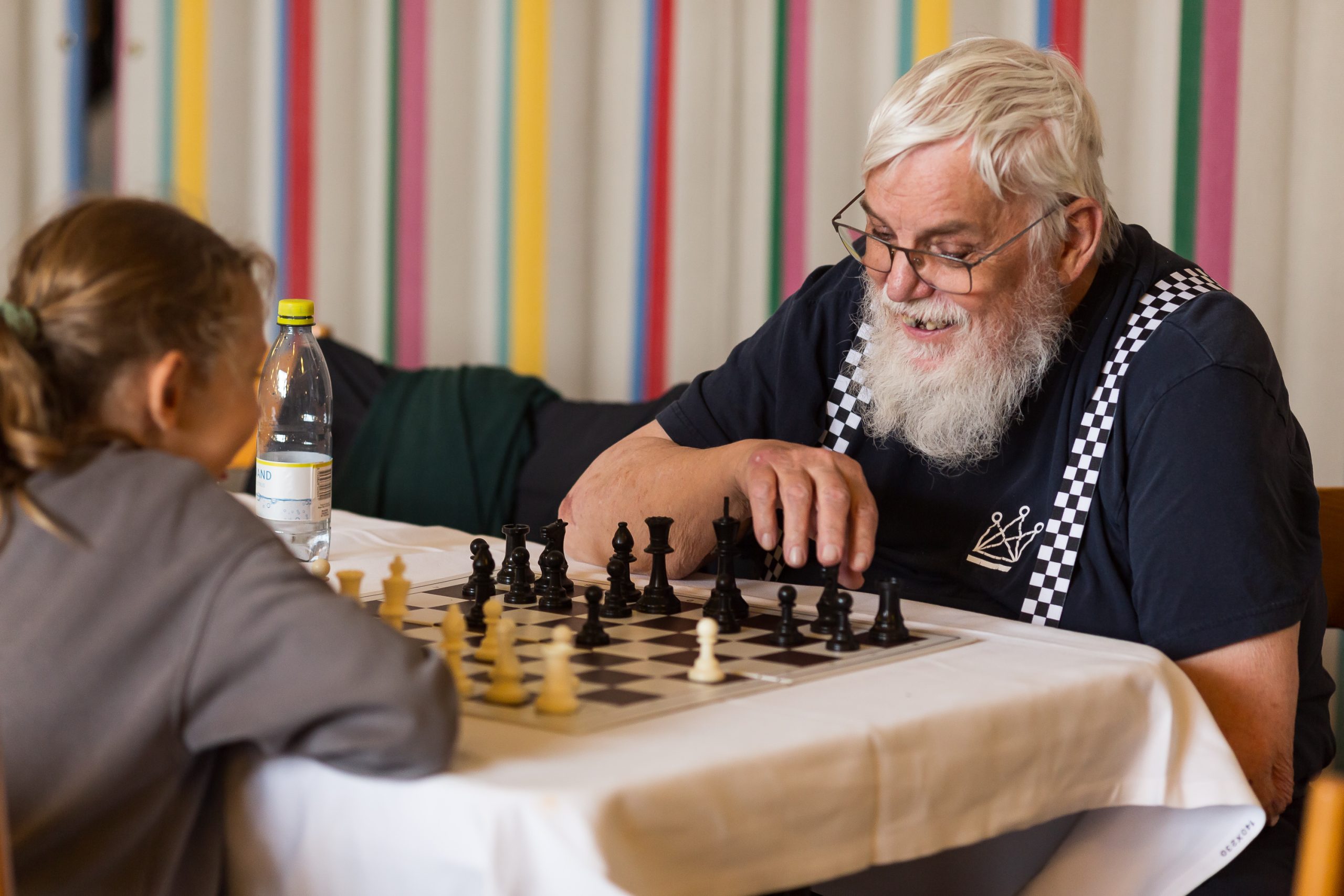
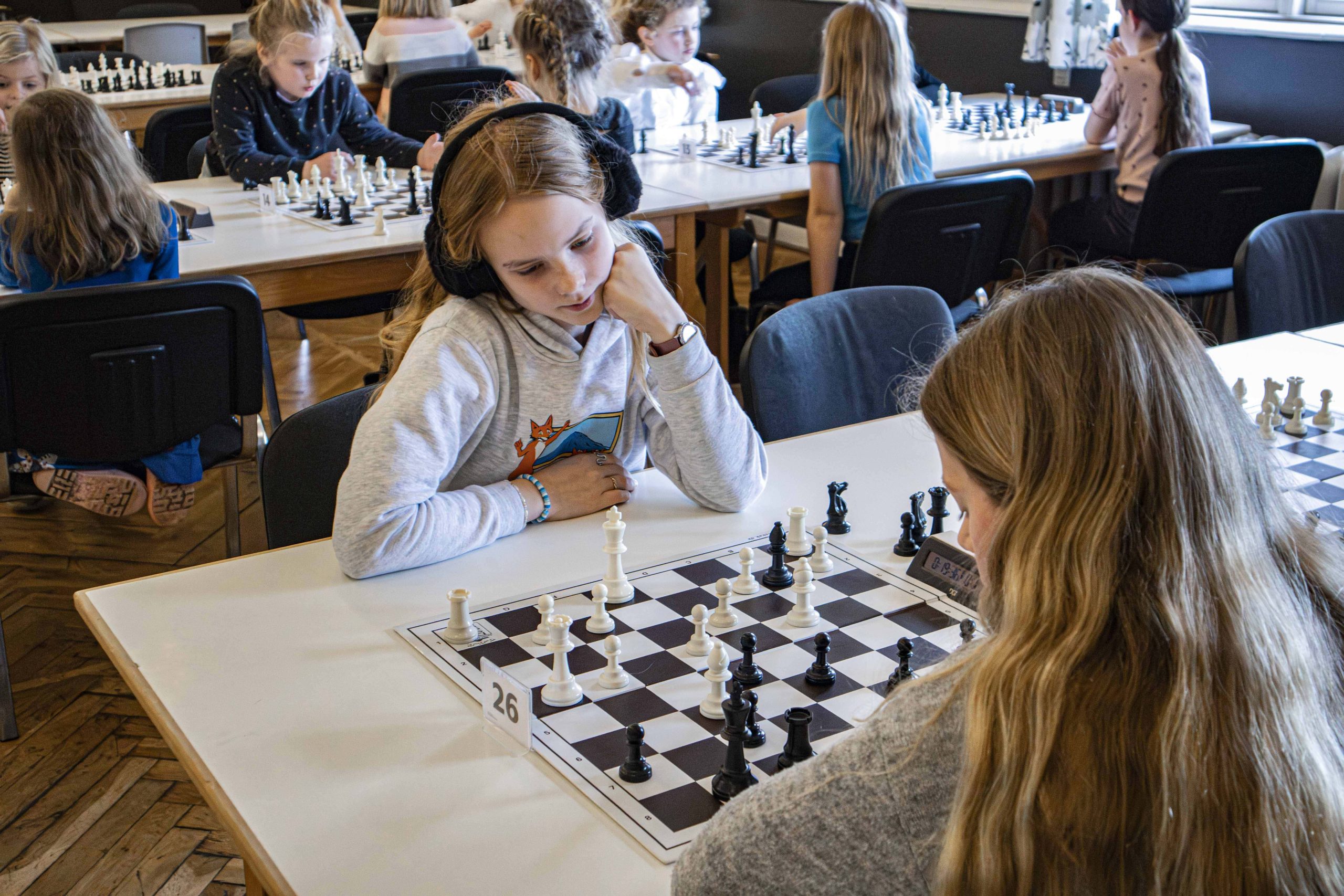
HOW WE USE CHESS We see chess as a tool for strengthening local social ties. It represents a strong opportunity for groups of people to build connections across ages and backgrounds, create shared spaces for genuine engagement, and offers both young and old people an activity that stimulates them. This is not just speculation either. There is plenty of research that supports this: numerous studies show communities with accessible chess programs report stronger social cohesion and increased civic engagement. CURRENT COMMUNITY IN COPENHAGEN One method that we are using to accomplish this is the construction of a chess house. These spaces are vital to community health, giving people an opportunity to engage and connect through a cup of coffee and a game of chess. They act as a lighthouse for the chess learning institute and what we stand for. We recognize that these centers must serve a different purpose than that of a traditional chess club, and should cater to all groups of people and across all levels of familiarity with the game. We’re currently constructing one of these chess houses here in Copenhagen, and are excited to bring something new and stimulating to the city. Communities benefit when people have opportunities to engage across differences. Chess, when deployed thoughtfully in community spaces and calls for community engagement, offers exactly that. For us, it’s not about producing champions. It’s giving people access to something intellectually engaging while remaining fundamentally social.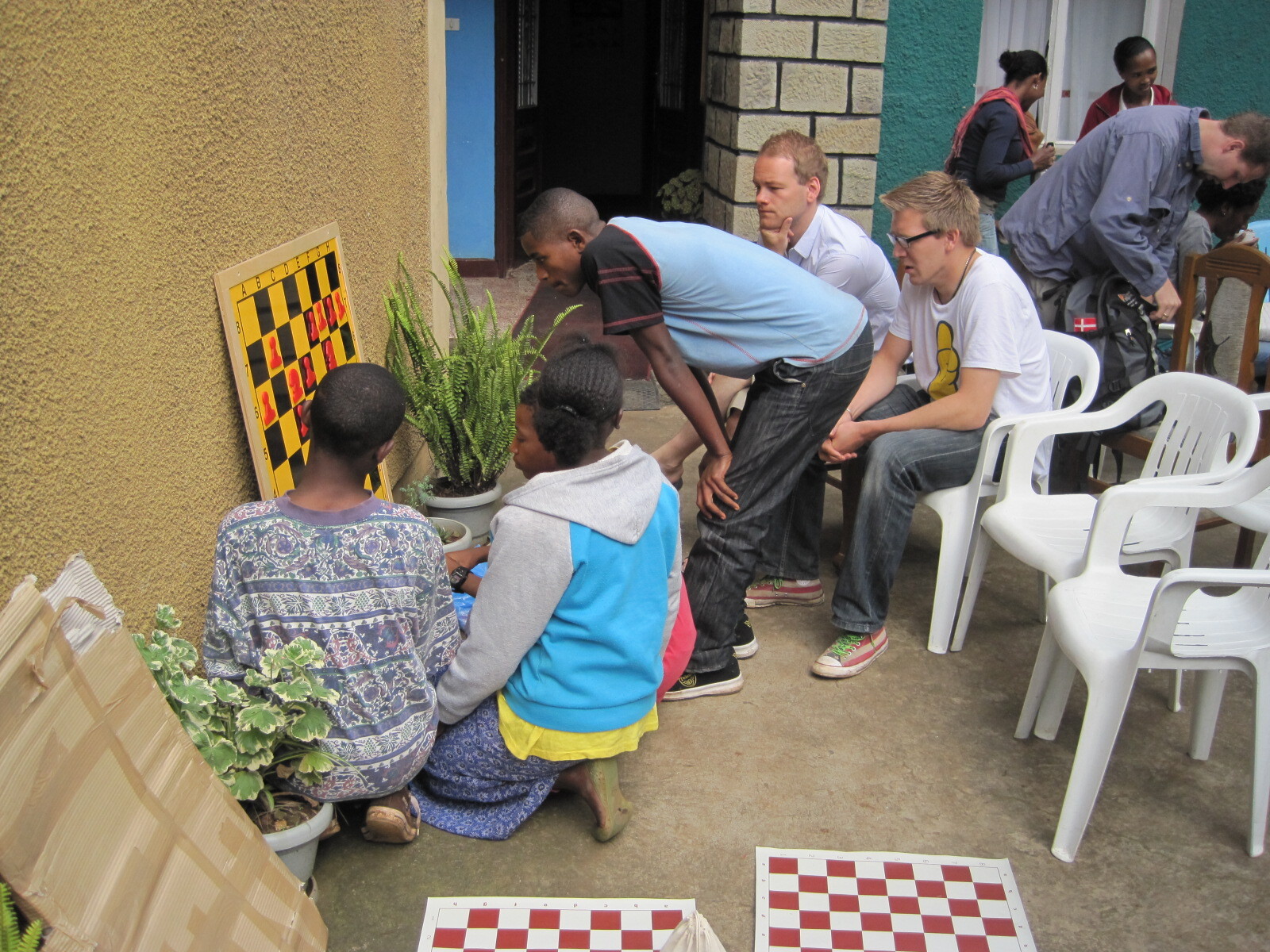
How Do We Use Chess?
Current Community in Copenhagen!
Chess brings people together.
CommunitiesUno Skonnord2026-08-05T11:21:21+00:00